

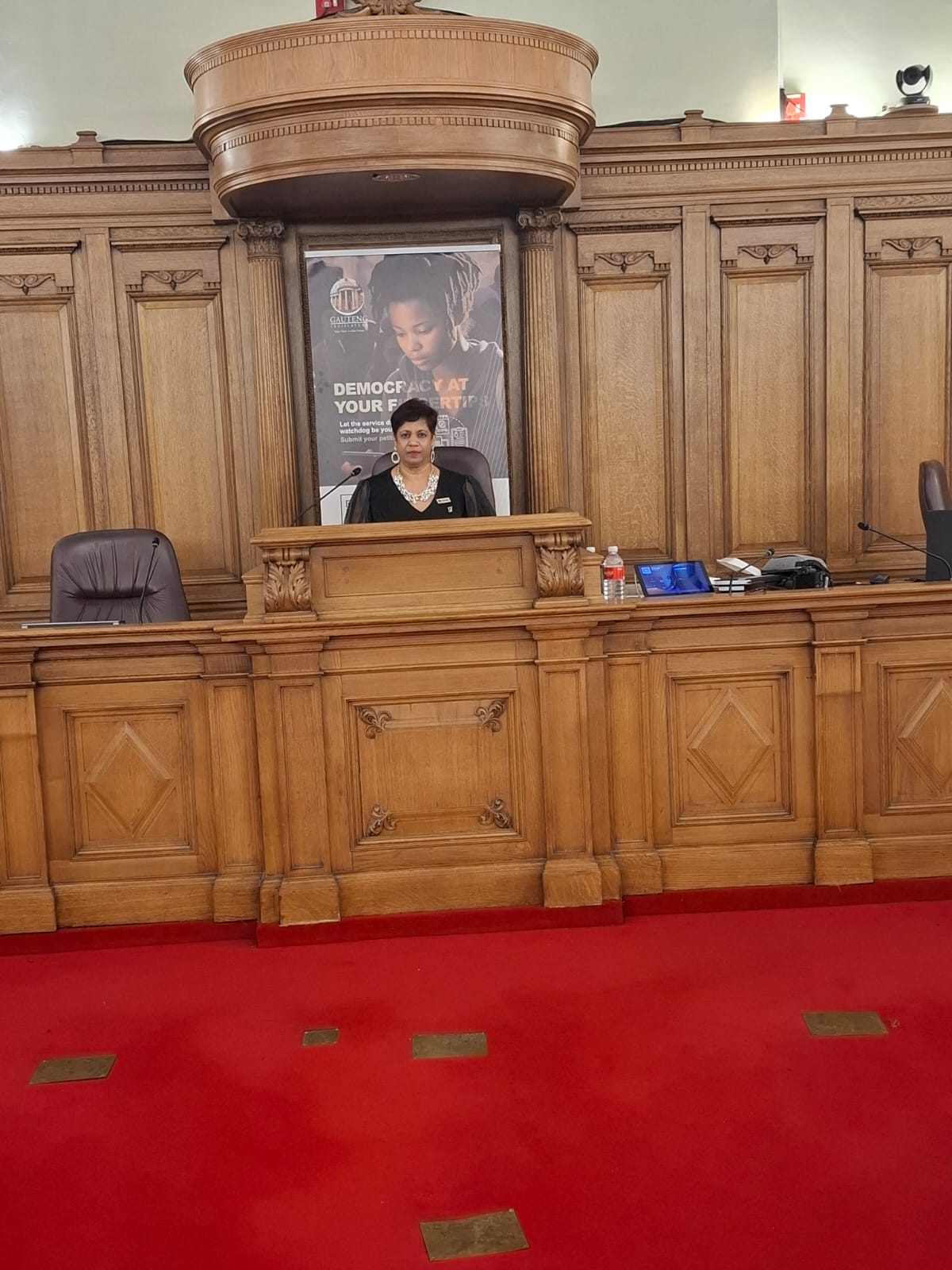
Advocacy and Leadership in Combating Newborn Baby Trafficking
Seema Naidoo, Founder of the Hope to Heal Foundation, has made significant contributions to the fight against the trafficking of newborn babies in South Africa. As a prominent member of the Gauteng Trafficking in Persons Task Team, she has brought critical attention to the issue of the trafficking of newborn babies within provincial hospitals. Through her leadership and advocacy, the challenges faced in these healthcare settings have been foregrounded, prompting increased awareness and calls for action to address this pressing problem.
The Reality of Newborn Baby Trafficking
While reports and rumours about such criminal activities are widespread, direct involvement in two cases offers a stark, unsettling perspective. Working first-hand with a case of newborn baby trafficking reveals the true extent and seriousness of these operations, underscoring the urgent need for awareness and intervention.
Challenges in Identifying Trafficking Cases
Identifying cases of newborn baby trafficking within provincial hospitals in South Africa is exceptionally rare because of the involvement of key individuals and groups who facilitate and conceal these operations. Nurses and social workers, who are trusted to care for and protect newborns, may sometimes be complicit in these activities. Additionally, the Department of Home Affairs and adoption agencies play significant roles, making it difficult to detect and report such cases. The coordinated efforts between these parties create barriers to uncovering the true scope of the problem, further complicating any attempts at intervention or prevention.
International Adoptions and Tracking Challenges
Many of the newborns trafficked from provincial hospitals in South Africa are adopted by families in foreign countries, such as the United States and nations across Europe. Once these infants are taken out of the country, monitoring and tracing their adoptive parents becomes significantly more difficult. The international relocation of these children complicates efforts to maintain oversight and accountability, often resulting in a loss of information about their welfare and whereabouts.
Illegal Adoptions within Places of Safety
Shelter facilities intended to serve as places of safety for vulnerable children face a significant challenge: the risk of illegal adoptions. These environments, which are supposed to provide protection and temporary care, can inadvertently become targets for criminal activity related to the unlawful transfer of children.
Children placed in shelter facilities are at high risk. The combination of their vulnerability and the lack of robust oversight mechanisms makes them susceptible to exploitation by individuals or groups seeking to profit from illegal adoption practices. This situation highlights the urgent need for stricter monitoring and protective measures within places of safety to prevent these children from further harm.
A Message to Mothers and Mothers-to-Be
For mothers and expectant mothers who may be uncertain about their ability or desire to care for their newborns, it is crucial to seek guidance and support from trusted organisations, such as the Hope to Heal Foundation. By reaching out for help, you can ensure that your baby receives proper care and protection.
Placing your newborn in facilities where babies are received through anonymous systems, such as the box or basket system, and leaving without further involvement, may expose your child to significant risks. These risks include the possibility of your baby being sold and becoming part of illegal trafficking operations. It is important to consider safer alternatives and to stay informed about the potential dangers associated with anonymous placements. Reach out to the Hope to Heal Foundation for support and guidance to protect the well-being and future of your child.
By working collaboratively, we can promote the welfare and safety of all children.
Seema Naidoo
www.hopetoheal.org.za
078 906 7461